
Portugal, beyond the postcard
Get to know Porto
Porto, at your own pace. Explore its neighbourhoods, food, culture and coast, with practical help for a day out or a longer stay.
A city of many sides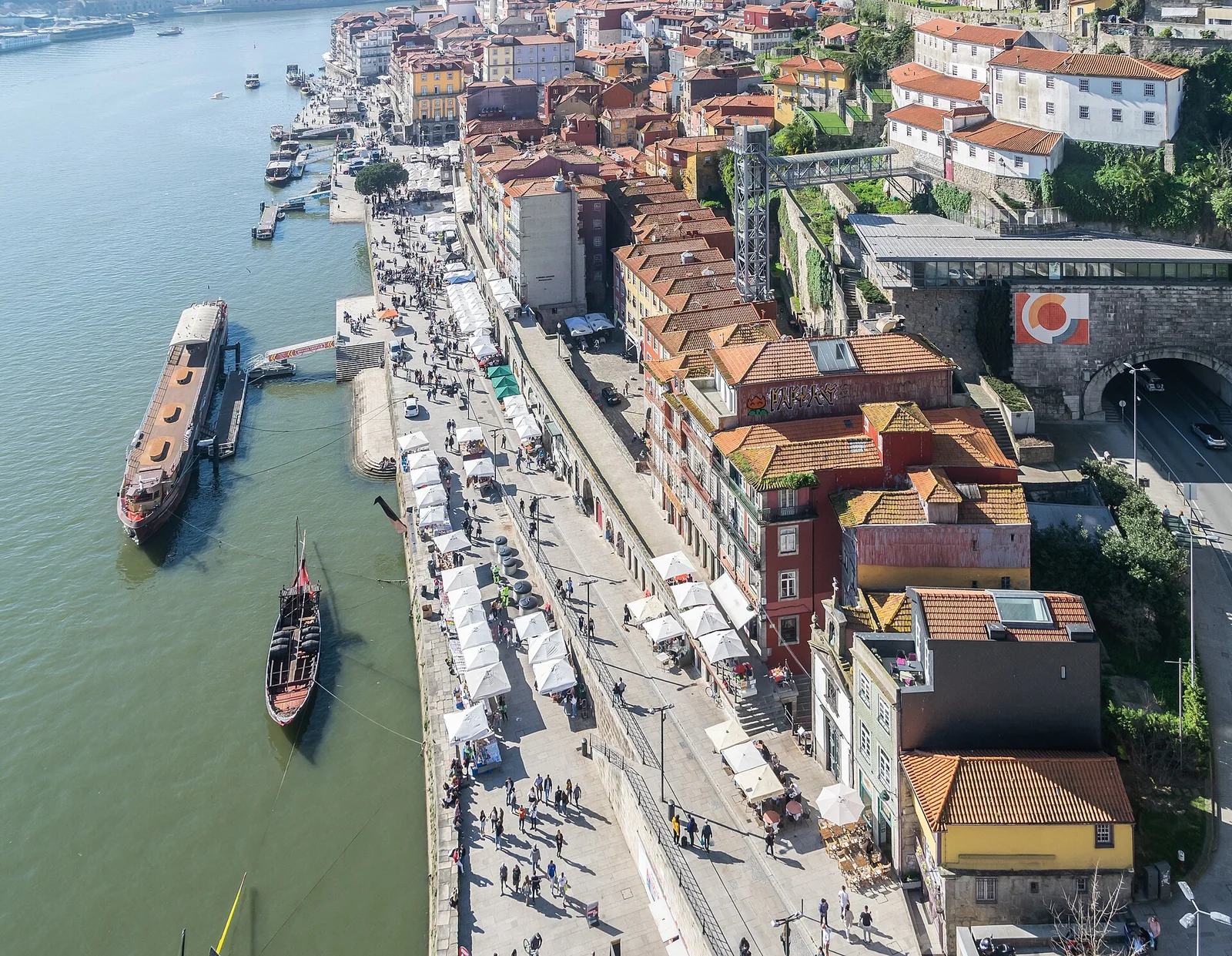
01 / Porto
Make it your Porto.
Follow the river, find your neighbourhood, stay for another course. There is more than one way to spend a day here.
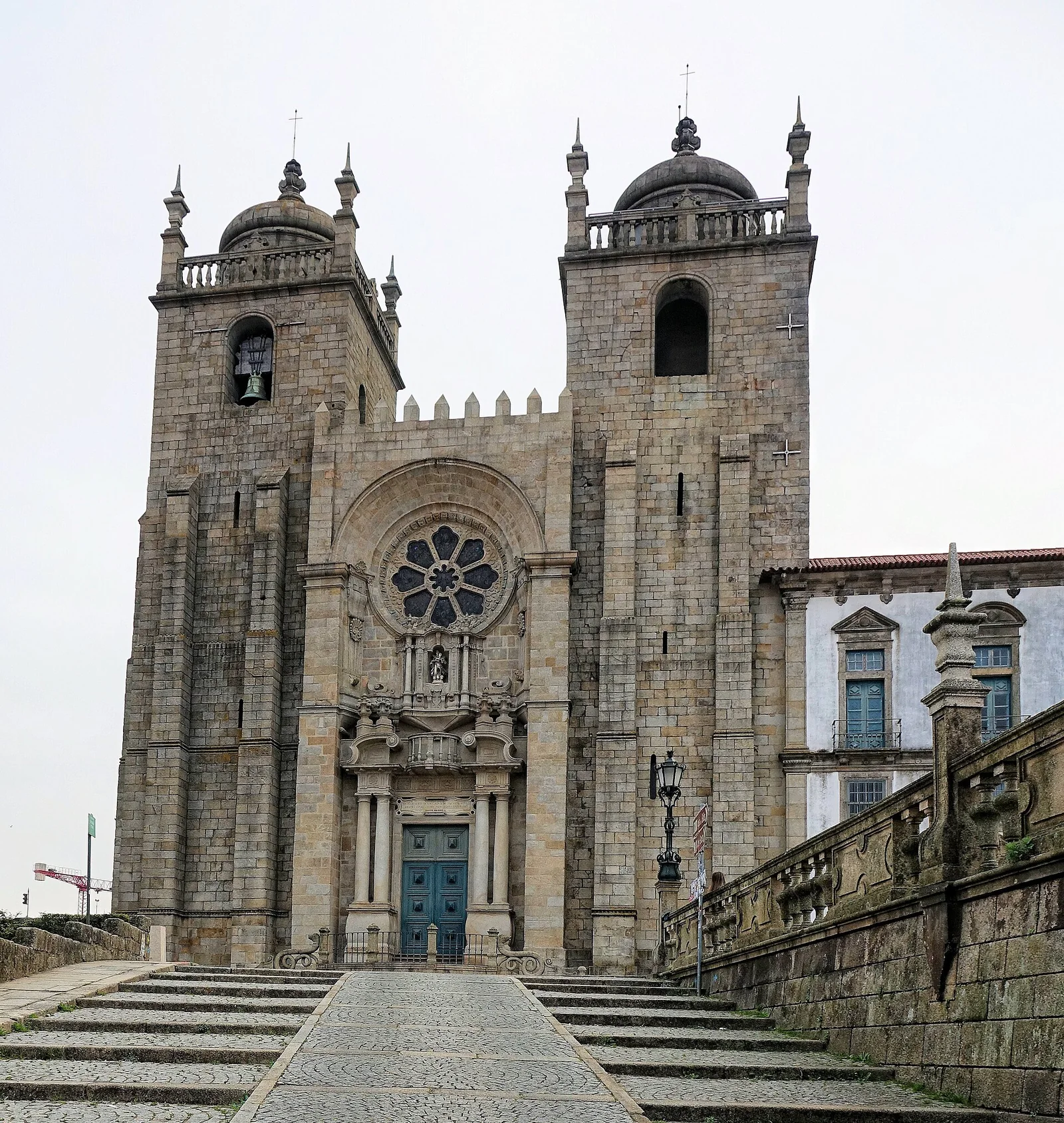 The city & its sights
Landmarks, tiled streets and places worth a detour.
Bjørn Christian Tørrissen / Wikimedia Commons · CC BY-SA 4.0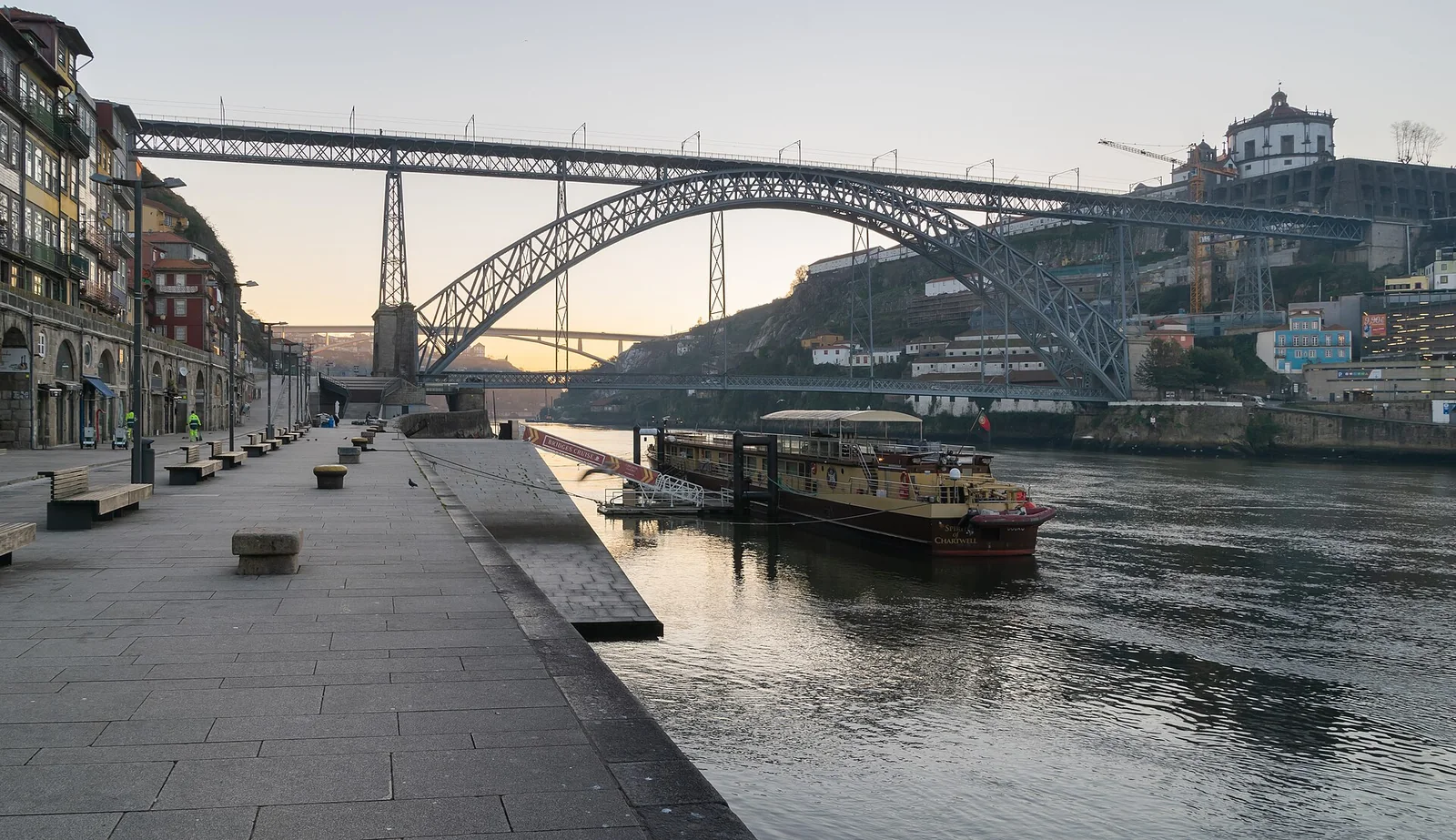 Neighbourhood life
Find your rhythm, from the historic centre to the coast.
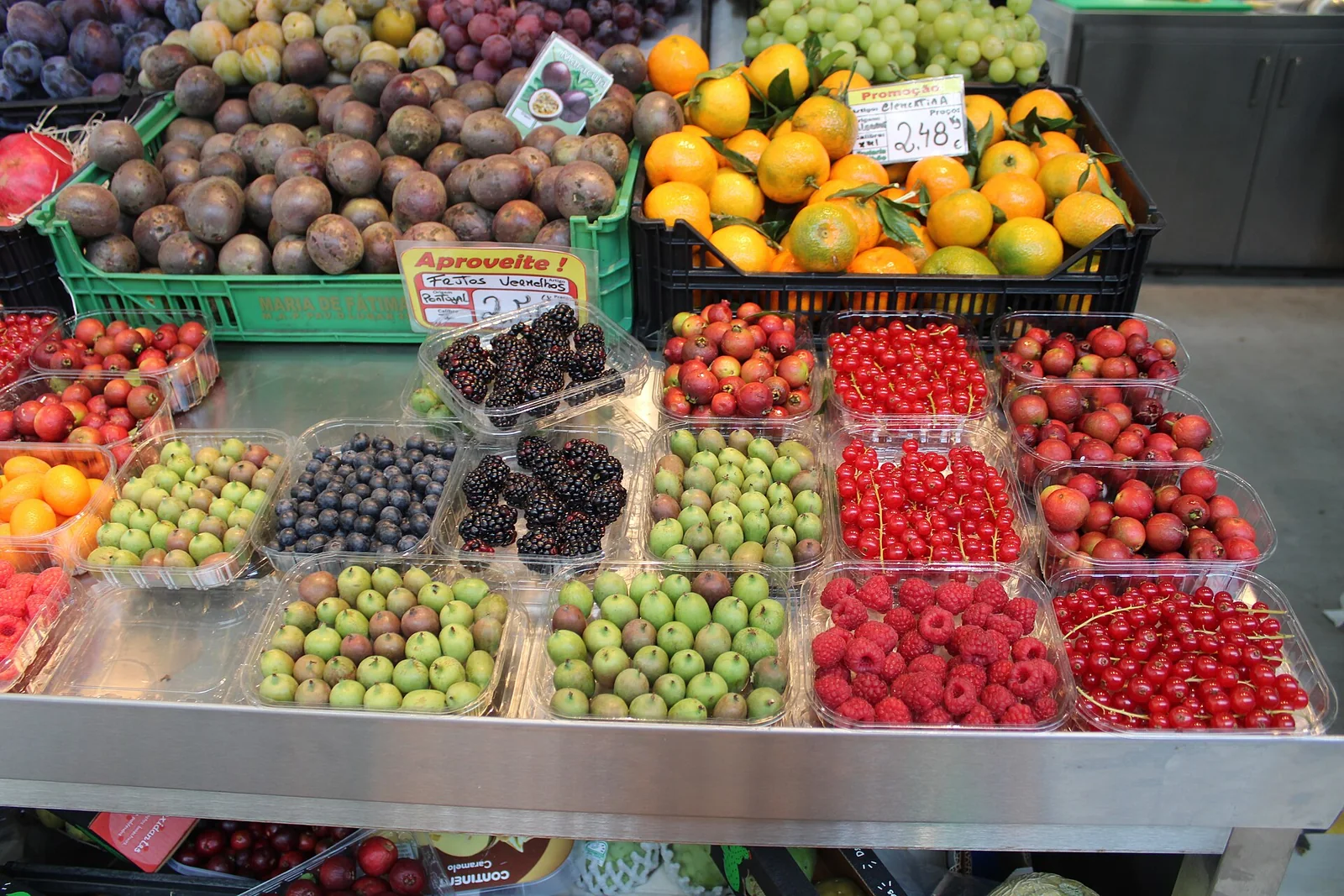
Krzysztof Golik / Wikimedia Commons · CC BY-SA 4.0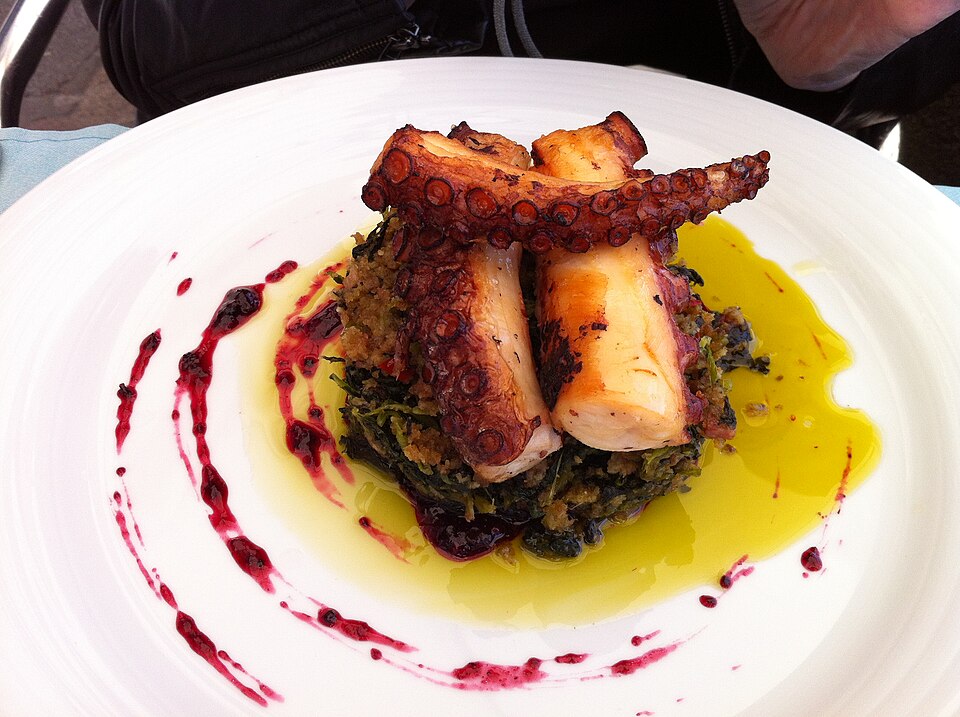 At the table
Traditional kitchens, long lunches and something sweet.
Jeremy Keith, CC BY 2.0 / Wikimedia Commons. · CC BY 2.0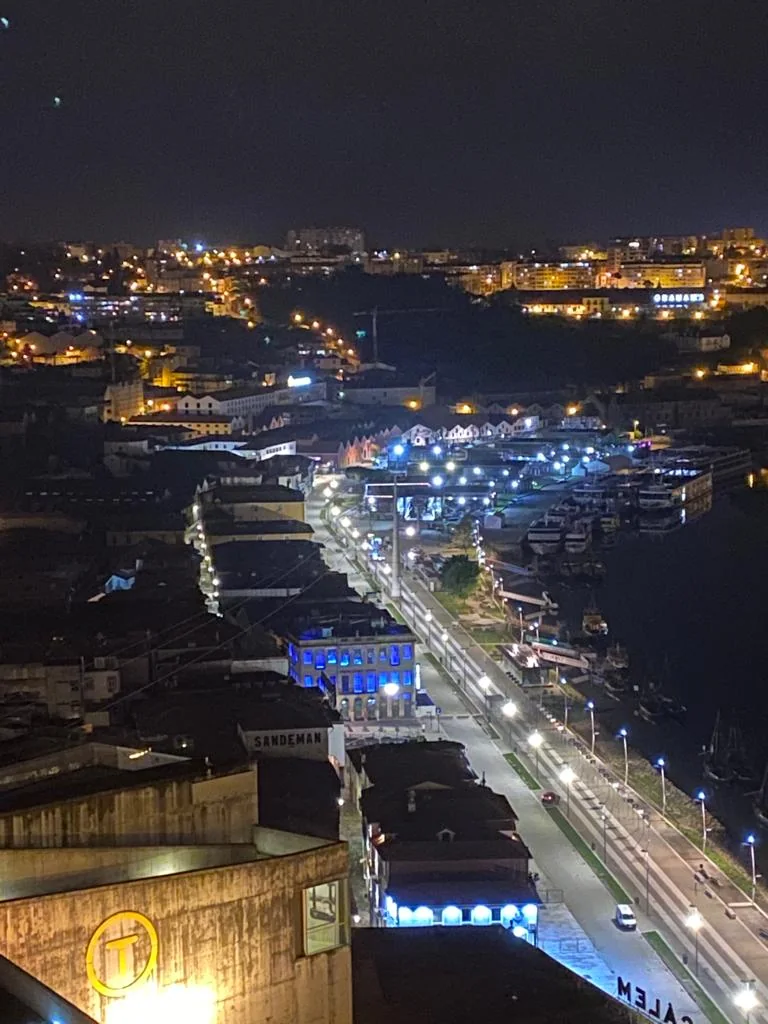 Port wine & Gaia
Cross the river for cellars, tastings and a different view.
Eduardovitorrodrigues / Wikimedia Commons · CC BY-SA 4.0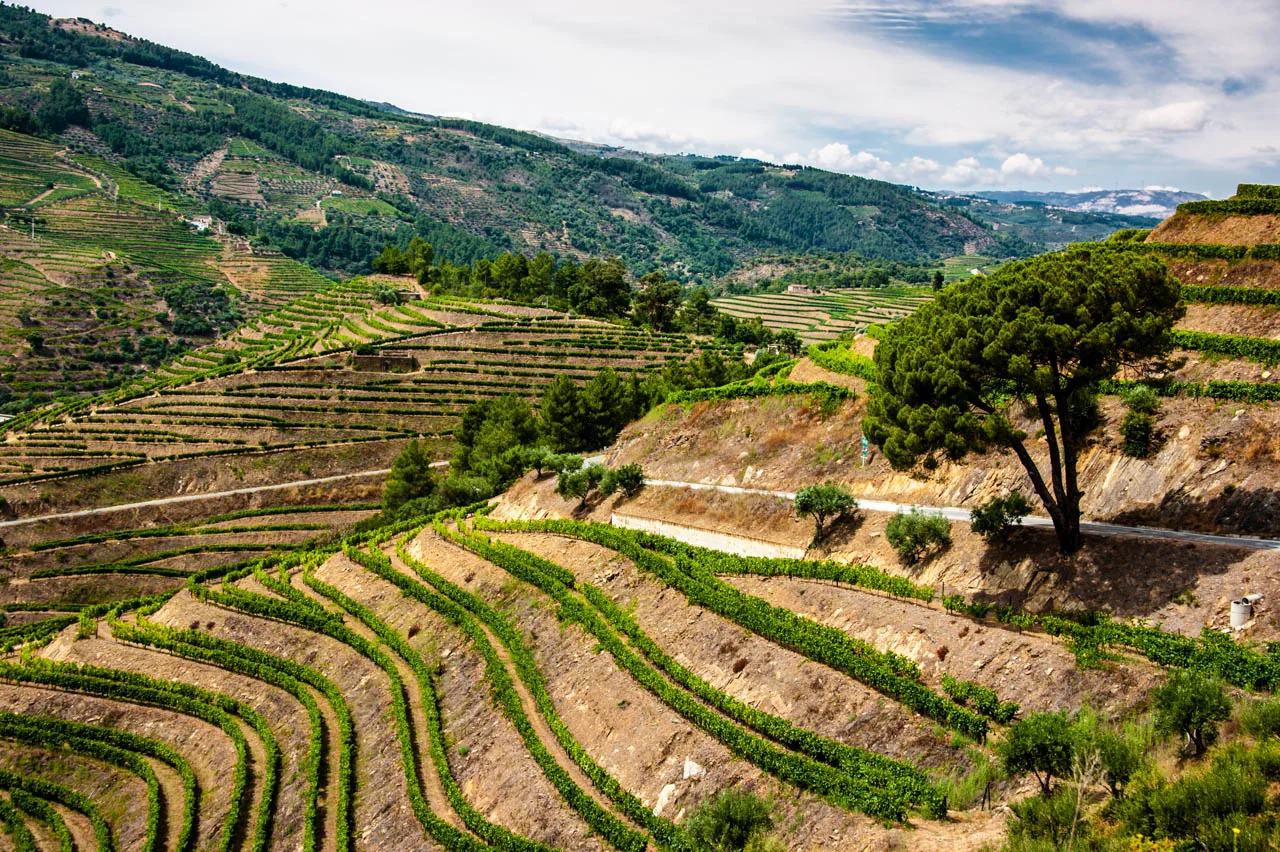
02 / Porto
The useful details.
Arriving, getting around, choosing your dates. A little planning leaves more room for the city.
03 / Keep exploring
The complete guide
Find a place, a practical answer or an idea for your next day in Porto.
Try food, airport, rain or neighbourhoods
22 guides
No matching guides. Try a broader word or clear the filter.
- Things to Do in PortoExplore Porto's sights, culture and coast with route ideas, booking notes, weather alternatives and realistic timing.
- Where to stayCompare neighbourhoods, transport connections and practical things to check before choosing a place to stay.
- Porto NeighborhoodsA practical Porto neighborhood guide covering Ribeira, Baixa, Cedofeita, Bonfim, Boavista, Foz, and Vila Nova de Gaia.
- Porto ItinerariesChoose a Porto itinerary by trip length, season, weather, pace, and what you want to add after the historic centre.
- One Day in PortoA one-day Porto itinerary with morning route, lunch area, afternoon route, sunset option, shortcuts, and bad-weather alternative.
- Two Days in PortoA two-day Porto itinerary covering historic Porto, Gaia and wine cellars, Foz or culture, food notes, and transport notes.
- Three Days in PortoA three-day Porto itinerary with central Porto, Gaia and wine cellars, Foz, museums, Douro Valley options, and slow-travel notes.
- Porto Airport to City CentreCompare Porto Airport to city centre options: metro, taxi, ride app, bus, time estimates, cost caveats, and where to stay after arrival.
- Porto TransportA practical overview of Porto transport: metro, buses, trams, walking, taxis, Sao Bento, Campanha, airport links, and Andante card caveats.
- Day Trips from PortoChoose a realistic day trip from Porto by travel time, transport, effort, weather, and what each destination adds to your stay.
- Douro Valley from PortoAn informational guide to visiting the Douro Valley from Porto, comparing train, driving, guided day trips, seasonality, and time commitment.
- Port Wine CellarsPlan a Port wine cellar visit in Vila Nova de Gaia with notes on what the cellars are, tasting types, booking caveats, and responsible drinking.
- Food and Drink in PortoA practical guide to Porto food and drink, including Francesinha, Tripas a moda do Porto, seafood, cafes, markets, port wine, meal timing, tipping, and etiquette.
- Restaurants to Try in PortoSixteen Porto restaurants and snack stops for special dinners, seafood, francesinha, traditional cooking, bifanas, pork sandwiches, and pastel de nata.
- Best Time of Day in PortoPlan Porto by time of day: sunrise viewpoints, Bolhao mornings, lunch areas, Foz afternoons, golden hour, sunset, dinner, and nightlife.
- Porto CostsPlan realistic Porto costs for meals, transport, attractions, wine tastings, taxis, day trips, and daily travel budgets.
- Accessibility in PortoA practical accessibility guide to Porto covering hills, stairs, cobbles, metro access, taxis, viewpoints, rainy weather, strollers, and mobility planning.
- Rainy Day PortoPlan a rainy day in Porto with markets, tiled interiors, cafes, museums, wine cellars, transport tactics, and what to skip in bad weather.
- Porto SafetyA practical Porto safety guide covering nightlife, pickpockets, tourist police, hills, weather, taxis, riverfront crowds, and common visitor mistakes.
- Events in PortoA practical Porto events guide covering recurring markets, São João, annual festivals, Christmas, match days, and what to verify before planning around them.
- Digital Nomad PortoA cautious guide to remote work in Porto, covering coworking, best areas, internet and mobile notes, cafes, community, costs, and visa disclaimers.
- Best Time to Visit PortoChoose when to visit Porto by weather, crowds, Sao Joao, Douro harvest season, Christmas, beach weather, prices, and trip style.