Choose transport by problem
Choose transport for the whole journey, including the walk at each end. Metro works well between stations; buses cover other routes, while a taxi can simplify luggage or an uphill return. A short distance in central Porto can still involve steep streets or stairs.
More columns → Scroll sideways, or focus the table and use the arrow keys.
| Need | Best first option | Watch out for |
|---|---|---|
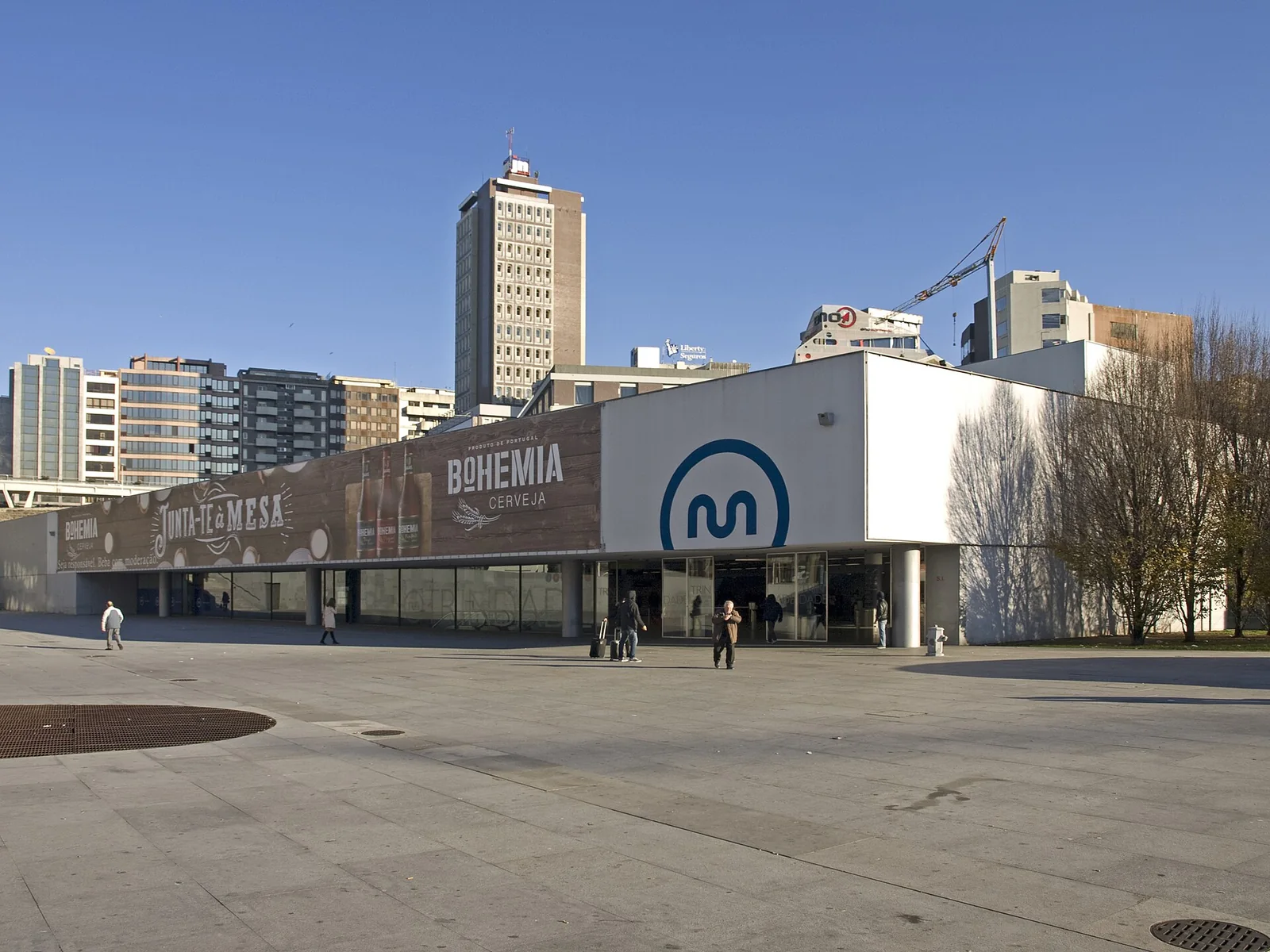
| Airport arrival | Metro or taxi/ride app | Metro is best near stations; taxis help with luggage and late arrivals. |
| Historic centre sightseeing | Walking plus occasional taxi | Short distances can still mean steep climbs. |
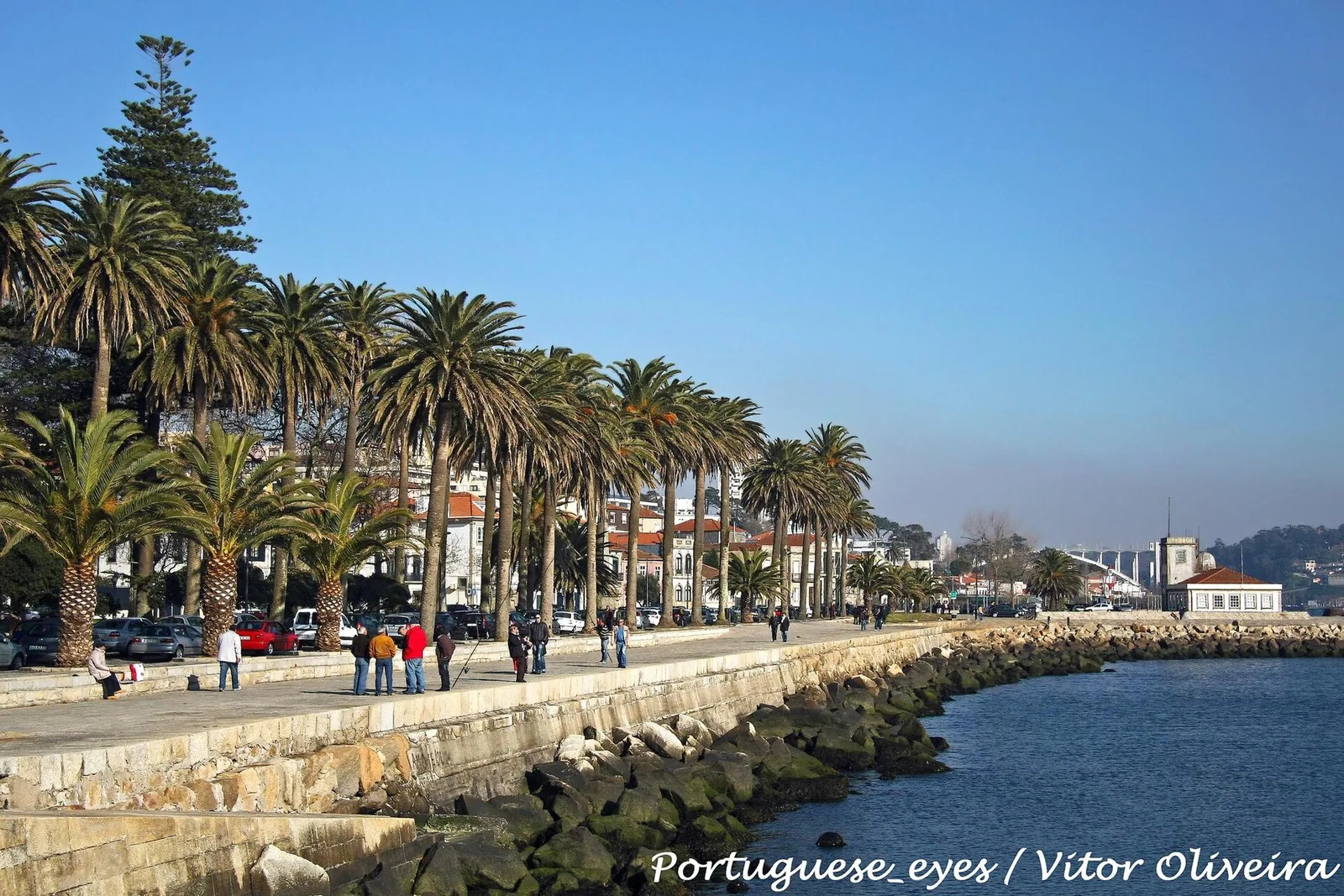
| Foz or coast | Bus, tram for atmosphere, taxi if short on time | Historic trams are scenic but not a full network solution. |
| Gaia riverfront | Walk the bridge, metro, or taxi | The bridge is exposed to wind and can be crowded. |
| Late-night return | Taxi or ride app | Do not assume public transport timing fits every nightlife plan. |
Andante, stations, and validation
São Bento serves the centre; Campanhã is the main hub for many longer-distance trains. Confirm the station on your ticket before planning the final connection.
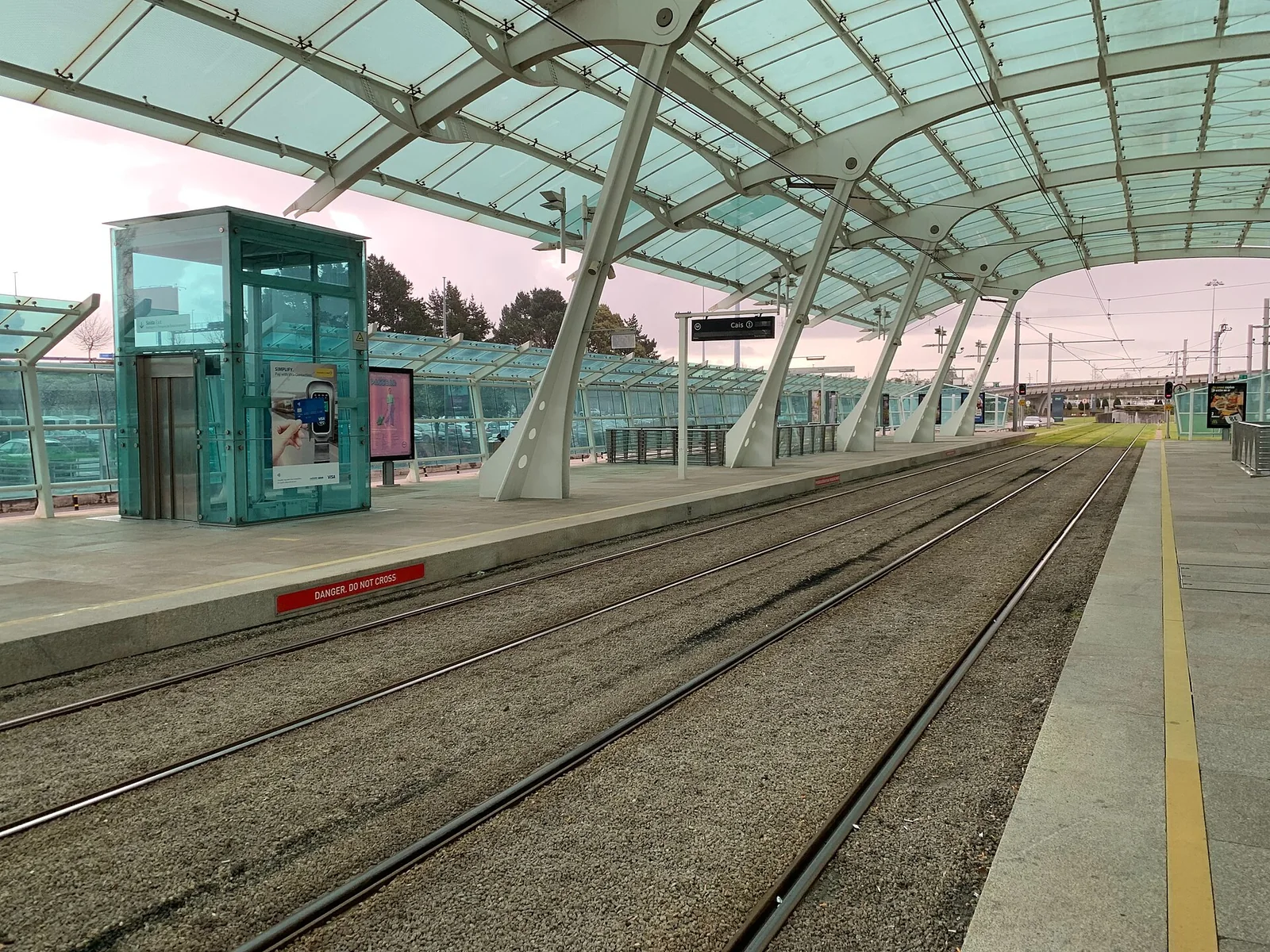
With Andante Blue, use one card per traveller. Choose the zone for your whole route and validate before boarding, then again at each change of line or transport. A green signal confirms validation. Metro and train validators are in stations; bus validators are on board.
Common transport mistakes
Check the last service for evening journeys and the final walk to your accommodation. Treat historic trams as a sightseeing choice, rather than the only way to reach a timed appointment.
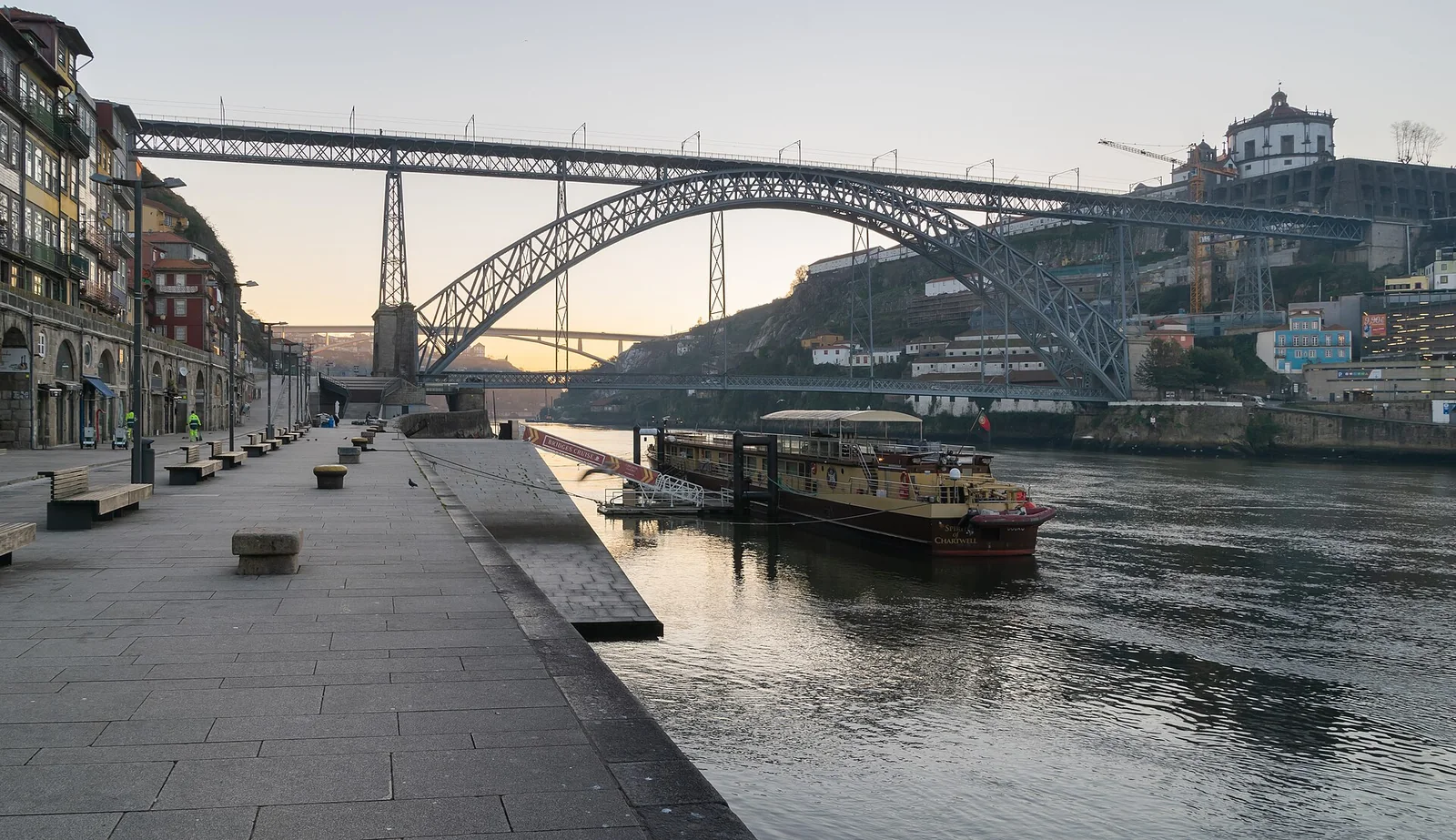
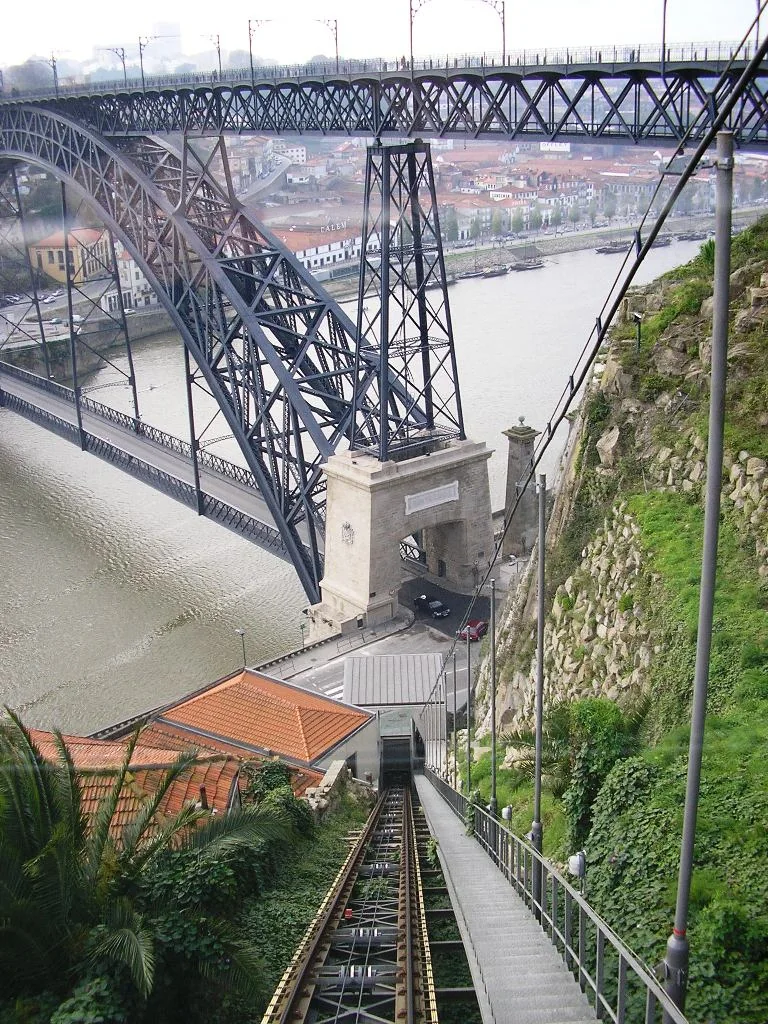
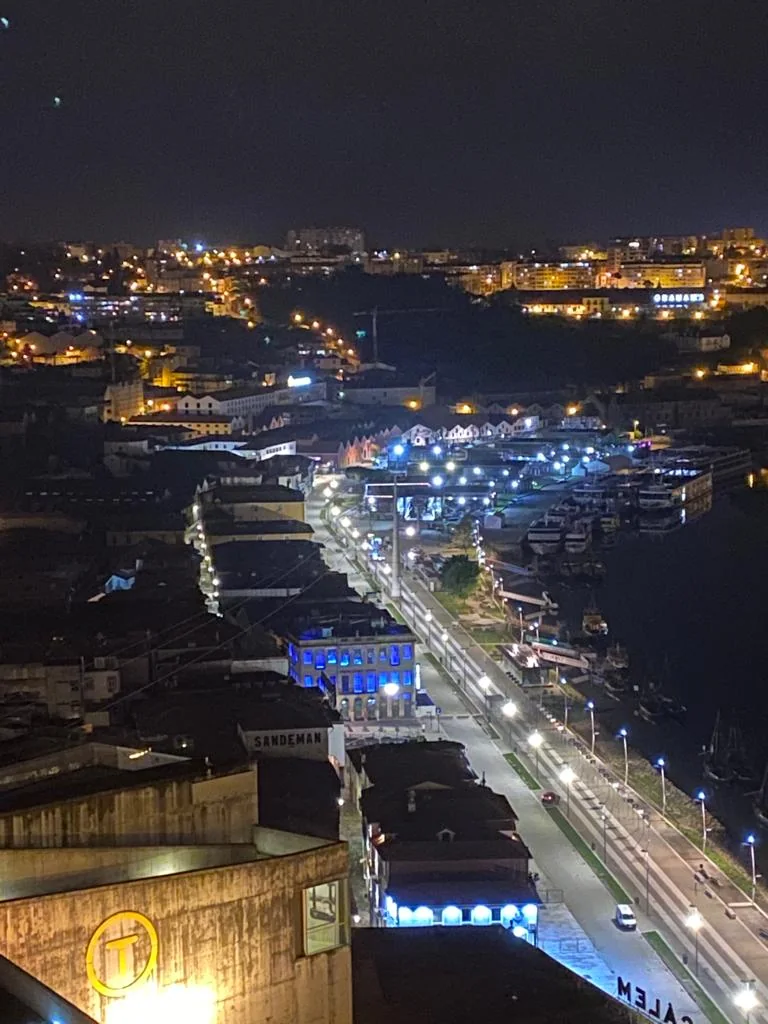
Choose the bridge level before walking: the lower deck links Ribeira with the Gaia quays; the upper deck connects the cathedral side with Jardim do Morro beside the metro. Moving between the quay and the upper deck means a climb. Stay on the pedestrian paths, clear of the tracks.
- Check the final walk from the station to your accommodation, not only the station name.
- Use taxis or ride apps for uphill returns from Ribeira when tired.
- Do not rely on a single late-night public transport assumption without checking the current schedule.
- Keep Campanha and Sao Bento roles clear: Campanha is the major rail hub; Sao Bento is the central historic station.