
Quick answer by traveler type
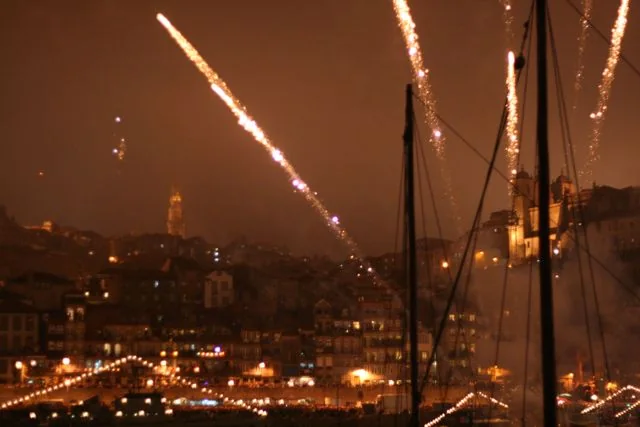
April, May, late September, and October are often the most balanced months for first-time visitors because the weather is usually workable and crowds are easier than peak summer. June is the strongest festival month because of Sao Joao, but it can also be busy and more expensive.
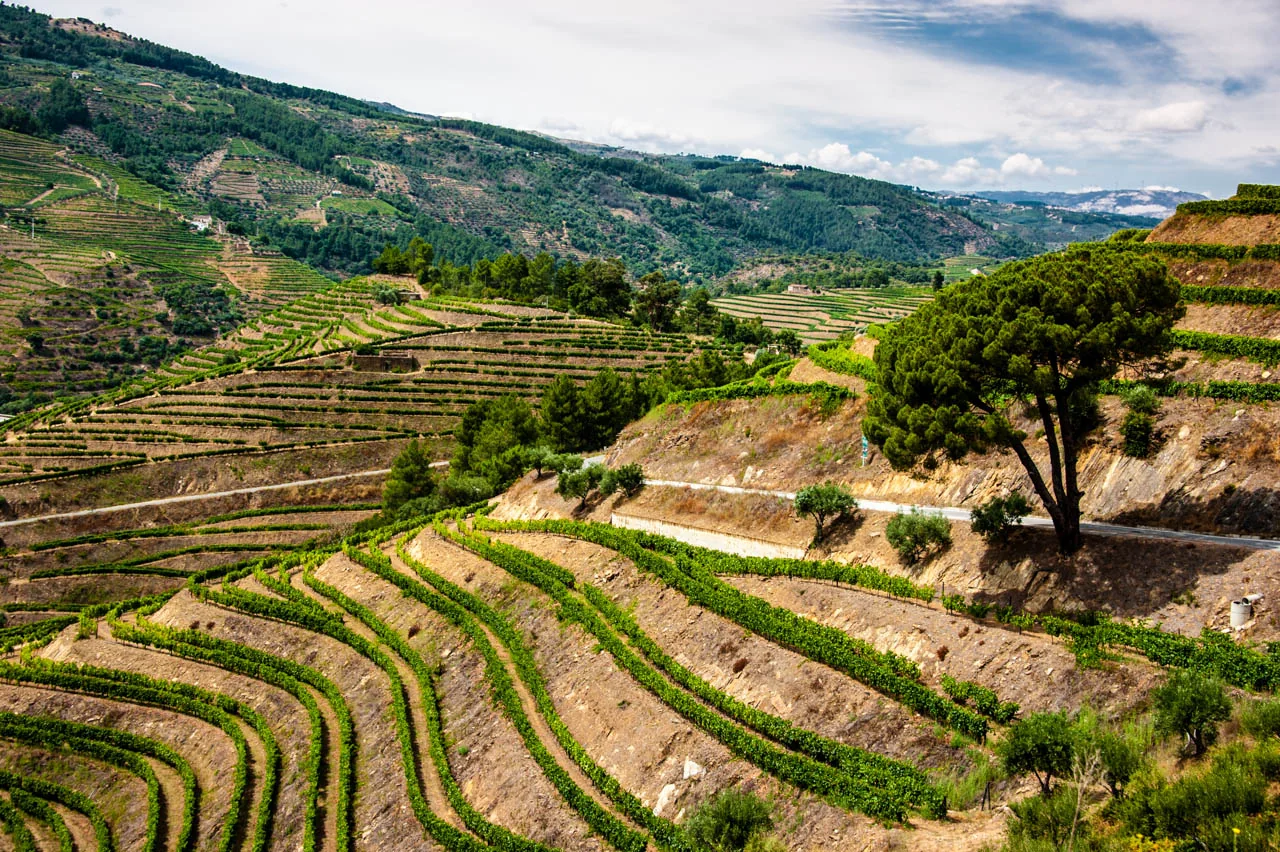
Late August through September matters for travelers who care about the Douro harvest, although the exact timing changes with the weather and vineyard conditions. December can be atmospheric for lights, concerts, markets, and Christmas programming, but rain and holiday closures need planning.
More columns → Scroll sideways, or focus the table and use the arrow keys.
| Traveler priority | Best period to consider | Main caveat |
|---|---|---|
| First-time sightseeing | April, May, late September, October | Weather is still variable, especially in spring and autumn. |
| Sao Joao and nightlife | June | Book early and expect crowds around June 23 into June 24. |
| Douro wine context | Late August to September | Harvest timing is never guaranteed. |
| Beach and coast | July to September | The centre and riverfront can feel crowded. |
| Lower-pressure city break | November to March outside holidays | Rain and shorter daylight shape the trip. |
| Christmas atmosphere | Late November through early January | Verify current dates, opening hours, and restaurant plans. |
Month-by-month rhythm
Winter is not a write-off. Porto's rainy season can still work well for food, cafes, Sao Bento, markets, museums, port cellars, and short transport-linked routes. The mistake is planning winter as if every day will be a long viewpoint walk.
Summer is easier for outdoor evenings, the coast, and long days, but it is also when the most obvious areas feel busiest. If you visit in July or August, plan early mornings, reserve key meals or timed activities, and use Foz, Matosinhos, parks, and museums to break up the historic-centre pressure.
More columns → Scroll sideways, or focus the table and use the arrow keys.
| Season | What works well | Watch out for |
|---|---|---|
| Winter | Cafes, markets, interiors, cellars, lower-pressure sightseeing. | Rain, slippery hills, shorter daylight, holiday closures. |
| Spring | Green gardens, milder walks, balanced sightseeing. | Unpredictable rain and changing event calendars. |
| Summer | Long evenings, coast, festivals, rooftops, outdoor meals. | Crowds, heat inland, higher accommodation demand. |
| Autumn | Douro context, food, warm light, manageable city rhythm. | Harvest uncertainty and weather shifts. |
When to book ahead
Book ahead when the trip depends on a specific experience: Sao Joao dates, fado, port cellar tastings, Six Bridges cruises, popular restaurants, Christmas Eve or Christmas Day meals, football matches, concerts, or Douro activities. Spontaneity works better for cafes, viewpoints, market stops, and neighborhood wandering.
Accommodation deserves more care during Sao Joao, summer weekends, major festivals, Christmas and New Year, match weekends, and periods when large conferences or concerts affect Boavista, the coast, or stadium routes.
- For June 23 into June 24, choose your sleeping area before choosing your party plan.
- For Douro harvest hopes, build flexibility into the dates and do not promise yourself one exact harvest scene.
- For Christmas, verify official municipal programming and restaurant hours before anchoring the trip around a meal.
- For rainy months, keep a museum, market, cellar, or cafe route ready.