Why people visit
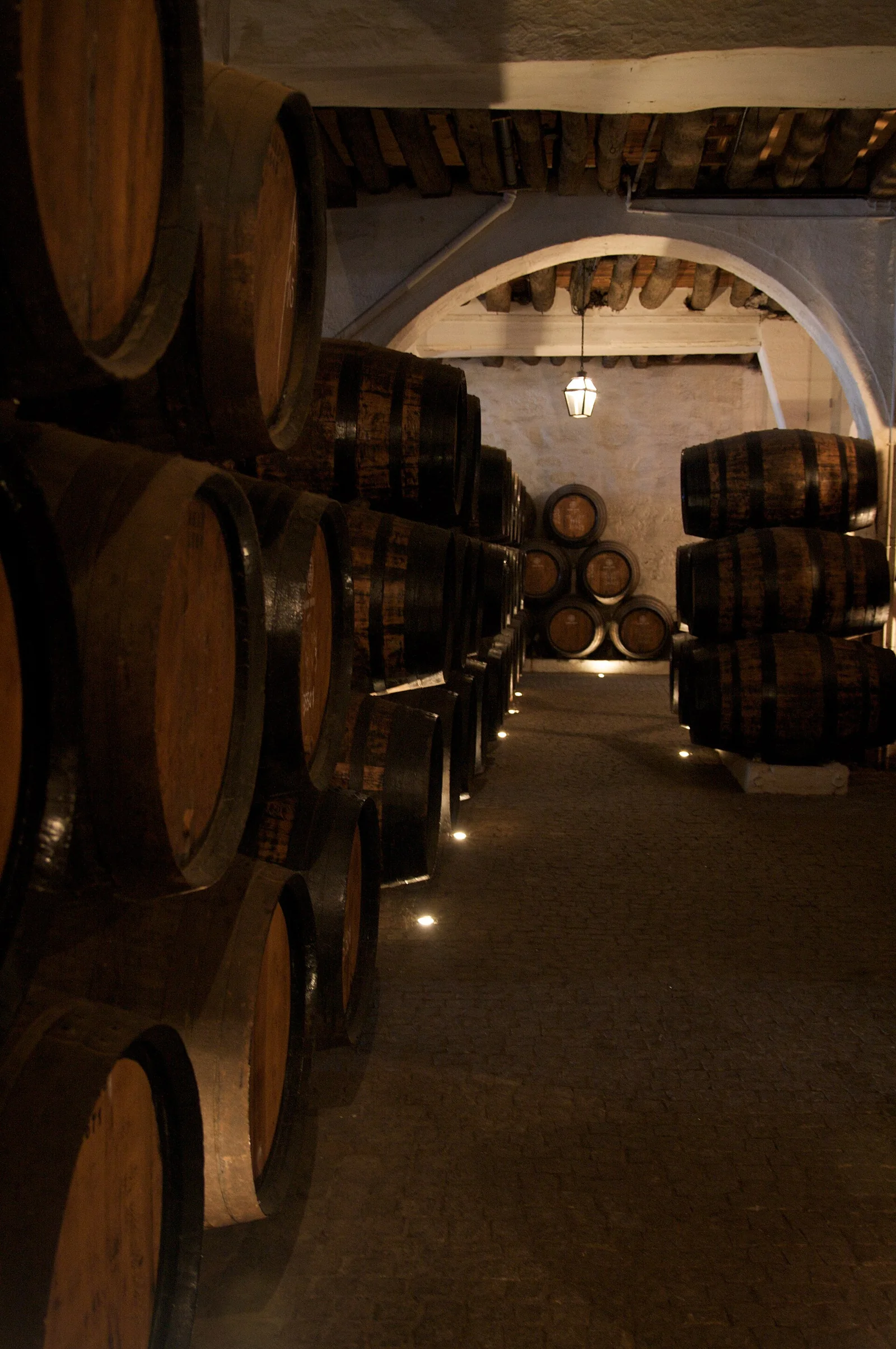
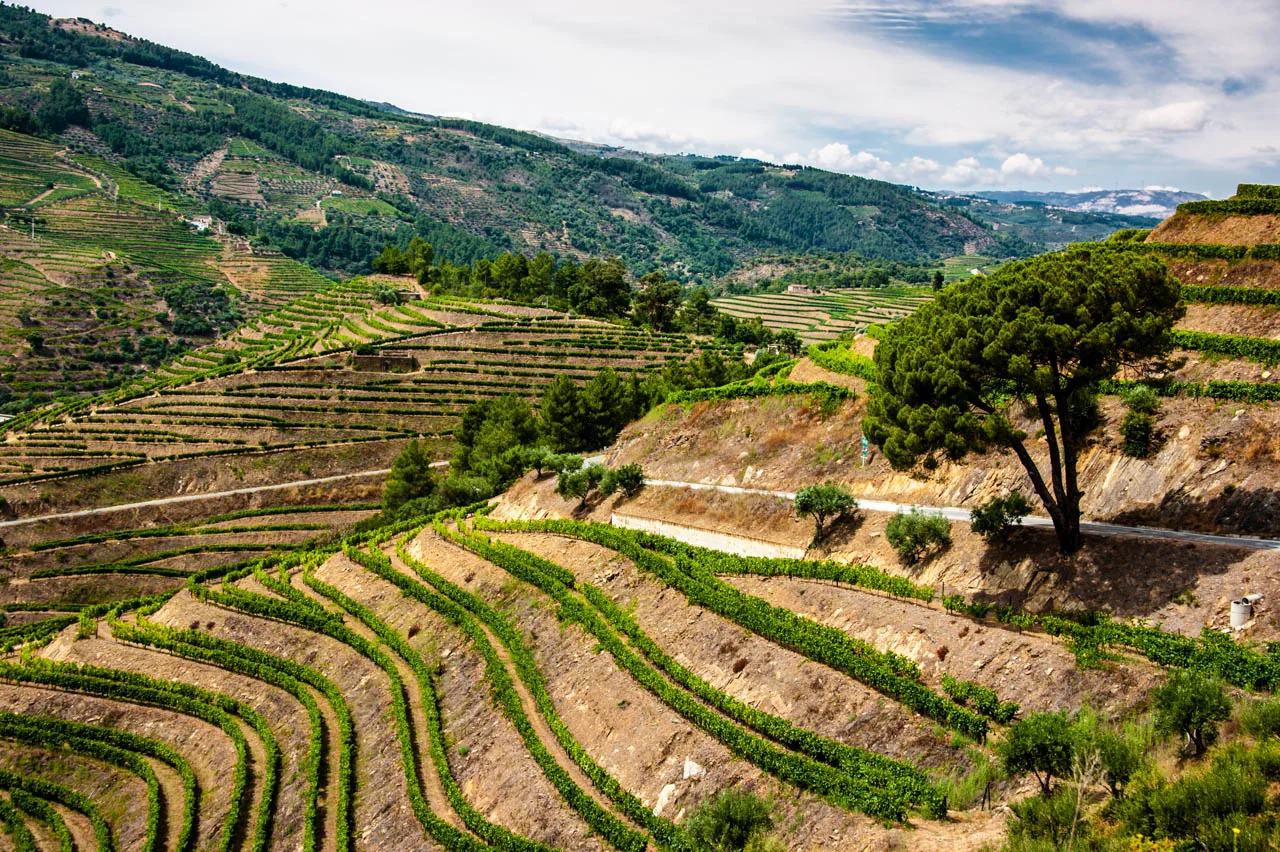
People go for river landscapes, terraced vineyards, wine estates, slower towns, and a sense of the region behind port wine. It is not the same experience as visiting Gaia cellars; Gaia explains the wine trade near Porto, while the valley shows the landscape and production context upstream.
A rushed day can still be scenic, but it may involve more transit than tasting or walking. Decide whether the journey itself is part of the appeal.
Train, driving, or guided day trip
The train can be scenic and lower stress, but schedules shape the day and not every winery is easy to reach without onward transport. Driving gives flexibility, but mountain and wine-country roads require caution, especially if anyone plans to taste wine.
Organized day trips can solve logistics and reduce decision fatigue, but quality, pace, group size, and inclusions vary. Compare the route, time in the valley, meal structure, tasting limits, and cancellation terms before committing.
More columns → Scroll sideways, or focus the table and use the arrow keys.
| Mode | Good for | Watch out for |
|---|---|---|
| Train | Scenery and lower-stress travel | Limited flexibility and onward transport. |
| Driving | Flexible stops | Road caution and no drinking for the driver. |
| Guided trip | Simple logistics | Variable pace, inclusions, and group size. |
Season and time commitment
Spring and autumn often suit comfortable travel, while summer can be hot inland and winter can feel quieter. Harvest periods are appealing, but the exact timing shifts with weather and vineyard conditions; treat late August through September as a broad planning window rather than a guarantee.
For a short Porto trip, ask whether the Douro Valley improves the trip or steals time from Porto itself. It fits best in a three-day stay or longer, and it works even better when you accept that the journey, river bends, viewpoints, and slower villages are part of the value.
Day trip or overnight
A day trip is enough for scenery, one or two structured stops, and a first understanding of the valley. It is the better choice when Porto itself is the main trip, when you do not want to change accommodation, or when you prefer someone else to handle transfers after wine tasting.
An overnight stay makes sense if wine, landscape, and rural quiet are central to the trip. It gives more room for Peso da Regua, Pinhao, Lamego, viewpoints, river activity, and meals without turning the day into a race against the last train.
More columns → Scroll sideways, or focus the table and use the arrow keys.
| Choice | Best for | Planning caveat |
|---|---|---|
| Day trip | First taste of the valley, limited time, simple logistics. | Expect a long day and choose stops carefully. |
| Overnight | Wine-focused travel, viewpoints, slower meals, and river towns. | Requires changing base and planning local transport. |
| Train-only outing | Scenery and lower stress from Porto. | Works best when the rail schedule is the plan, not a loose suggestion. |
| Car-based route | Viewpoints, villages, and flexible stops. | Roads can be narrow and winding; the driver should not drink. |
What to do besides tastings
The Douro should not be reduced to one tasting room. Pinhao is the clearest rail-and-river anchor for many visitors, Peso da Regua is a practical gateway, and Lamego adds a historic hilltop sanctuary and a different cultural note. Viewpoints matter because they explain the scale of the terraces better than a cellar room can.
Short river cruises, vineyard walks, picnics, kayaking, and museum or village stops can all fit, but they need current schedule checks. In hot months, avoid turning midday into a strenuous hike unless you know the route, shade, water access, and return plan.
- Use Pinhao for river scenery, station tiles, cruises, and nearby wine-country context.
- Use Peso da Regua for rail access, riverfront orientation, and regional logistics.
- Use Lamego when you want a cultural stop beyond vineyards.
- Use viewpoints only when transport, weather, and road comfort make them realistic.
Sources and current details
Next steps
 Day Trips
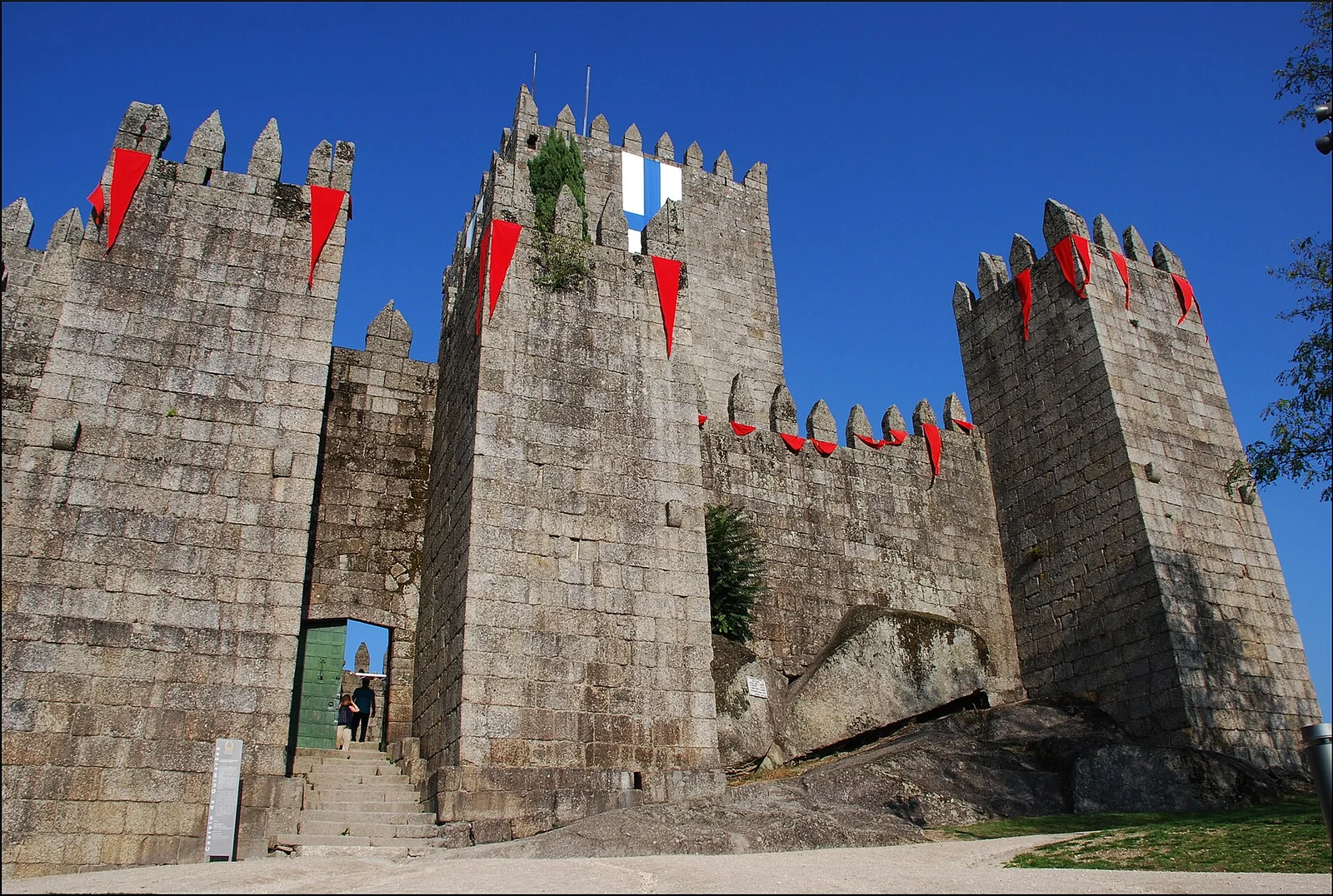
Compare the Douro with Guimaraes, Braga, Aveiro, and the coast.
Juanje Orío from Logroño, España (Europa) / Wikimedia Commons · CC BY-SA 4.0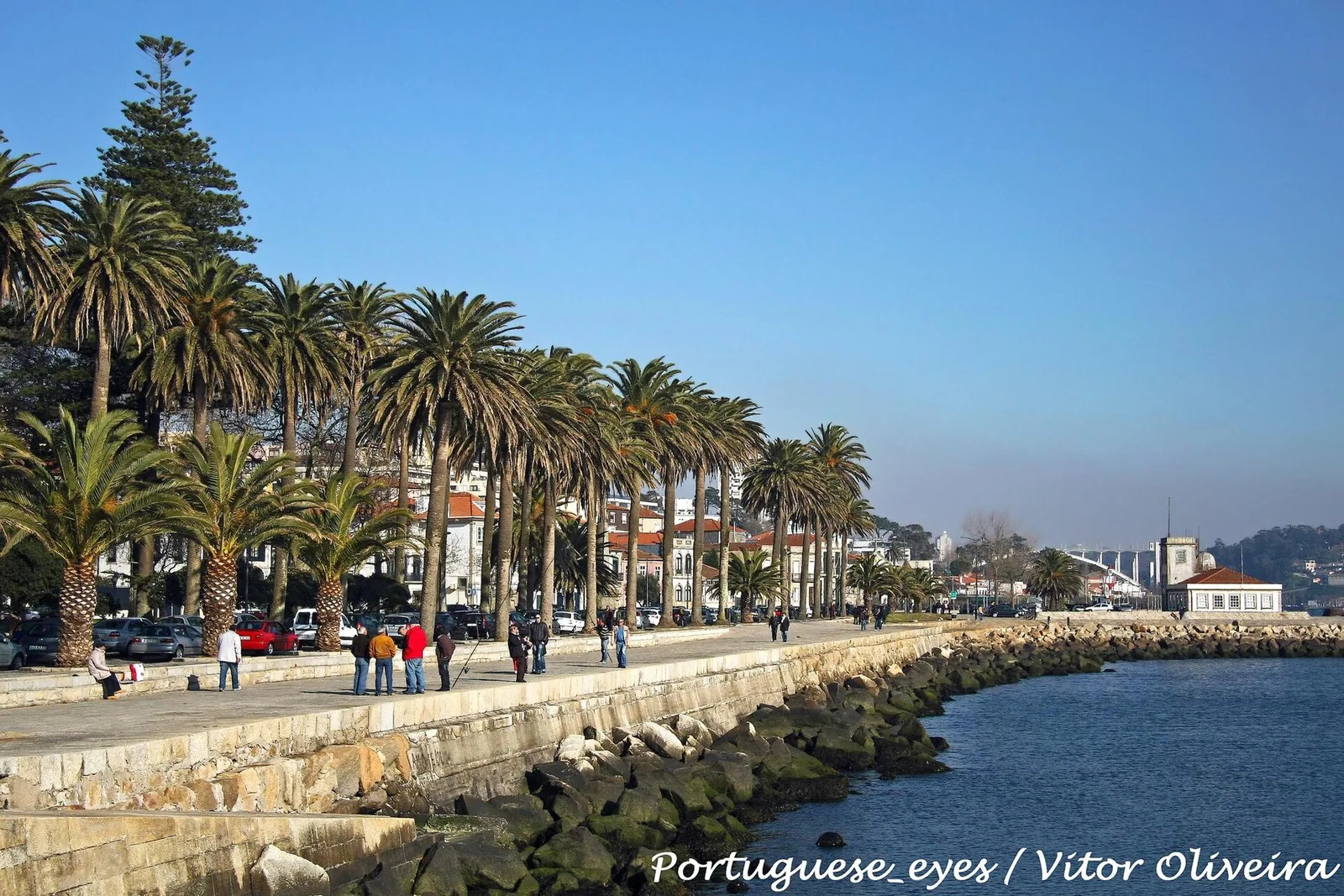 Three Days in Porto
See where the Douro Valley fits.
Vitor Oliveira from Torres Vedras, PORTUGAL / Wikimedia Commons · CC BY-SA 2.0