Traditional Porto dishes worth planning around
Choose by dish and appetite, then use the linked restaurant guide to compare places. Francesinha is substantial; traditional Portuguese cooking, fish, vegetarian meals and pastry stops offer other ways to plan the day.
More columns → Scroll sideways, or focus the table and use the arrow keys.
| Dish or stop | What to expect | How to choose | Where to try it |
|---|---|---|---|
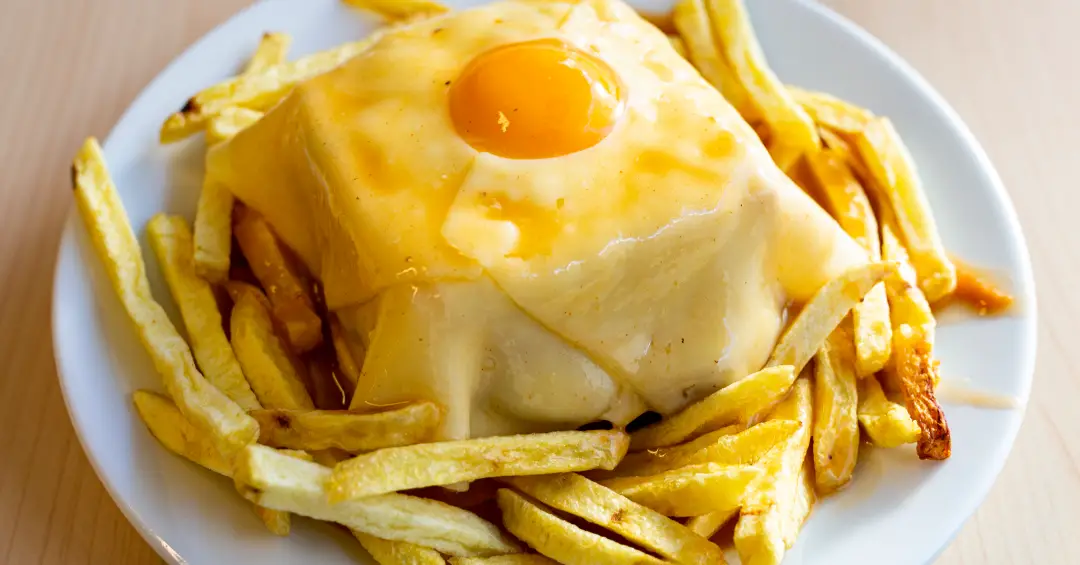
| Francesinha | A filling meat sandwich covered with melted cheese and a spicy sauce. | Choose a place that specializes in it and go hungry, often at lunch. | Brasão Aliados |
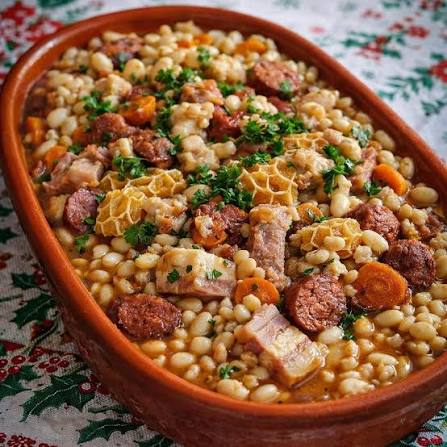
| Tripas à moda do Porto | A traditional stew of tripe, other meats and beans. | Look for traditional kitchens rather than modern snack bars. | Casa Nanda |
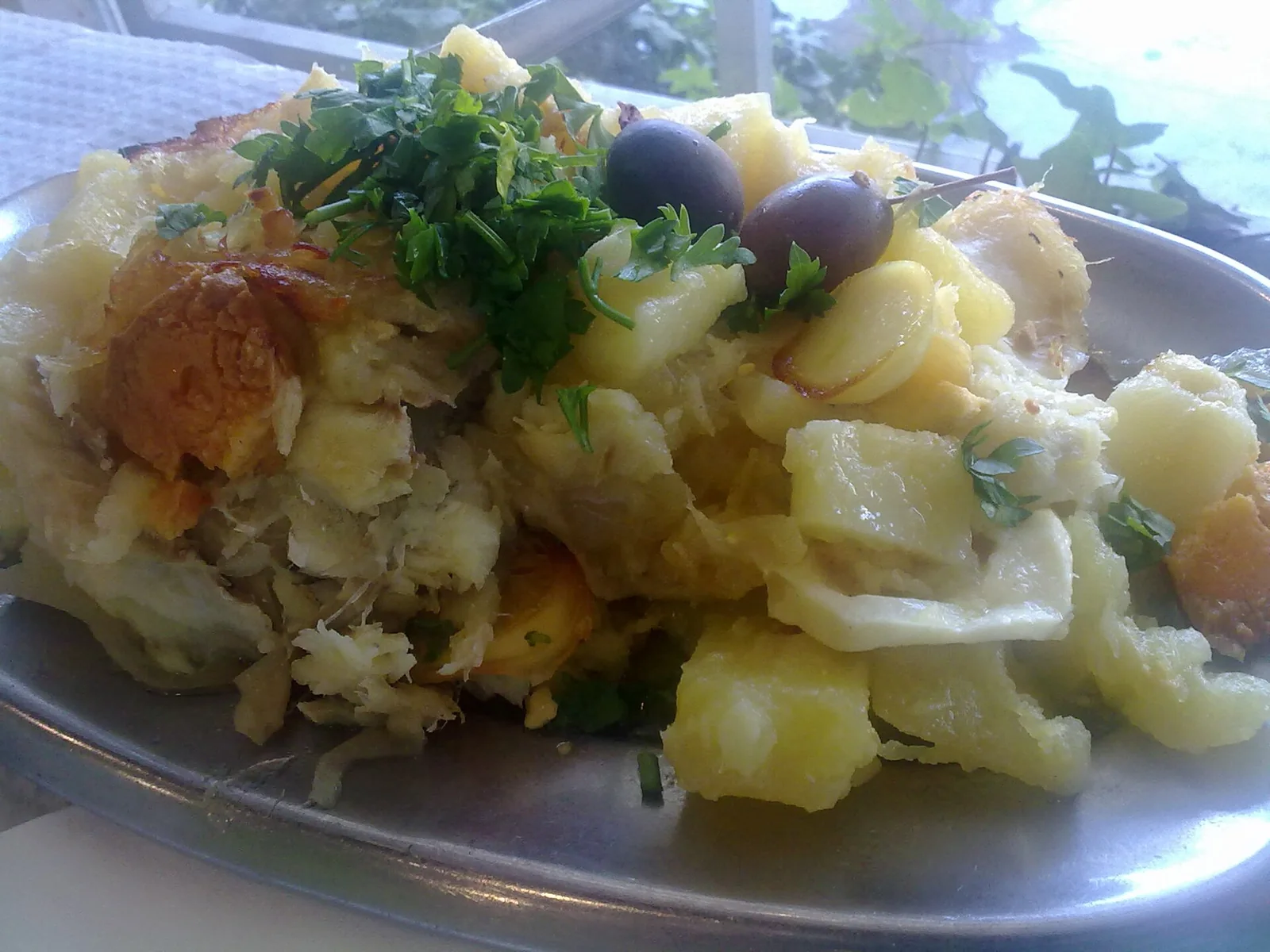
| Bacalhau à Gomes de Sá | Porto's signature cod preparation with a strong local story. | Choose restaurants with classic Portuguese menus and daily fish context. | Palmeira |
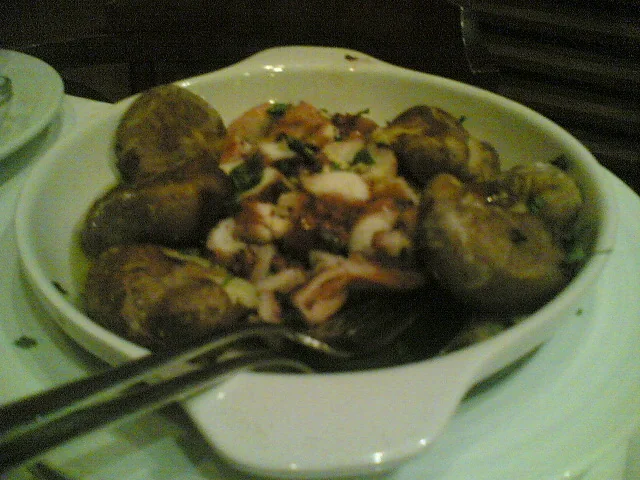
| Octopus and seafood | Best when treated as an Atlantic outing, not just a central dinner. | Look toward Matosinhos, Leça, Foz, or Afurada for a stronger setting. | Marisqueira Antiga |
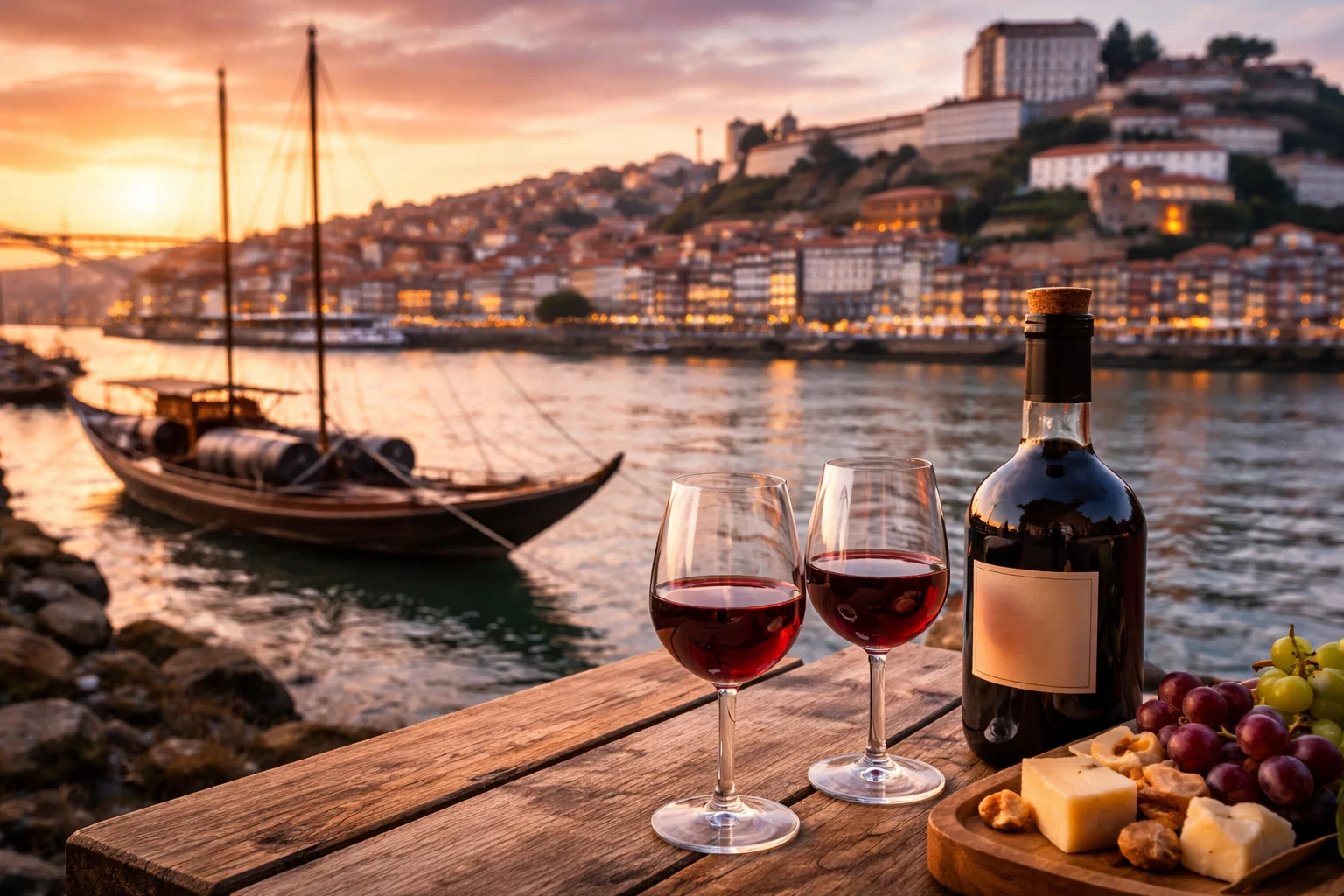
| Port wine and port-tonic | Cellar heritage by day, lighter terrace serves by evening. | Use Gaia cellars for context and evening terraces for lighter drinks. | Gaia cellar guide |
| Pastries and historic cafes | Best for a slower pause, not just a quick sugar stop. | Use cafes as route breaks and check whether you want atmosphere or value. | Fábrica da Nata |

Seafood and Atlantic-side meals
Combine a fish or seafood meal with time on the coast. Matosinhos, Leça, Foz and Afurada offer different settings; choose the area first, then check the restaurant’s menu and your journey home.
More columns → Scroll sideways, or focus the table and use the arrow keys.
| Area | Best for | Planning caveat |
|---|---|---|
| Matosinhos | Grilled fish, shellfish, markets, beach, and a working-coast feel. | Use lunch if you want time for the coast afterward. |
| Leca | Architecture, sea pools, beach walks, and calmer coastal meals. | Check transport carefully, especially at night. |
| Foz | Sea air, sunset walks, and more polished coastal dining. | Often better for atmosphere than bargain eating. |
| Afurada | Fishing-village texture and Gaia-side fish meals. | Cross-river logistics matter if you are staying north of the Douro. |
Vegetarian, cafe, and pastry planning
For vegetarian or vegan meals, check the actual menu and ask about ingredients instead of relying on a venue’s style. Cafés and pastry counters also work as short breaks between sights; a historic interior may matter more to you than the lowest price.
More columns → Scroll sideways, or focus the table and use the arrow keys.
| Need | Look for | Avoid |
|---|---|---|
| Vegetarian dinner | Seasonal vegetables, beans, rice, mushrooms, cheese, and Portuguese comfort-food references. | Menus where vegetarian means only salad or pasta by default. |
| Historic cafe pause | Architecture, room atmosphere, classic service, and enough time to sit. | Expecting the best-value meal of the trip. |
| Pastry stop | Fresh turnover, visible baking rhythm, and a short queue that moves. | Buying too much before a heavy lunch. |
| Market snack | Counters where you can sample without committing to a long meal. | Crowded peak hours if you need a calm break. |
Plan meals around your route
Choose meals that suit your appetite, diet and route. Reserve a particular table when it matters, and check the kitchen’s serving hours. Allow a proper meal before wine tasting and keep the evening plan close to where you finish.
- Francesinha is often better at lunch because it is substantial.
- Seafood is stronger when you are willing to look toward Matosinhos, Afurada, or Foz.
- Historic cafes are best used as atmosphere-rich pauses, not the only food story of the city.
- Book a cellar's available afternoon visit; keep a riverside drink for later if you want to watch the sunset.