What makes Porto hard
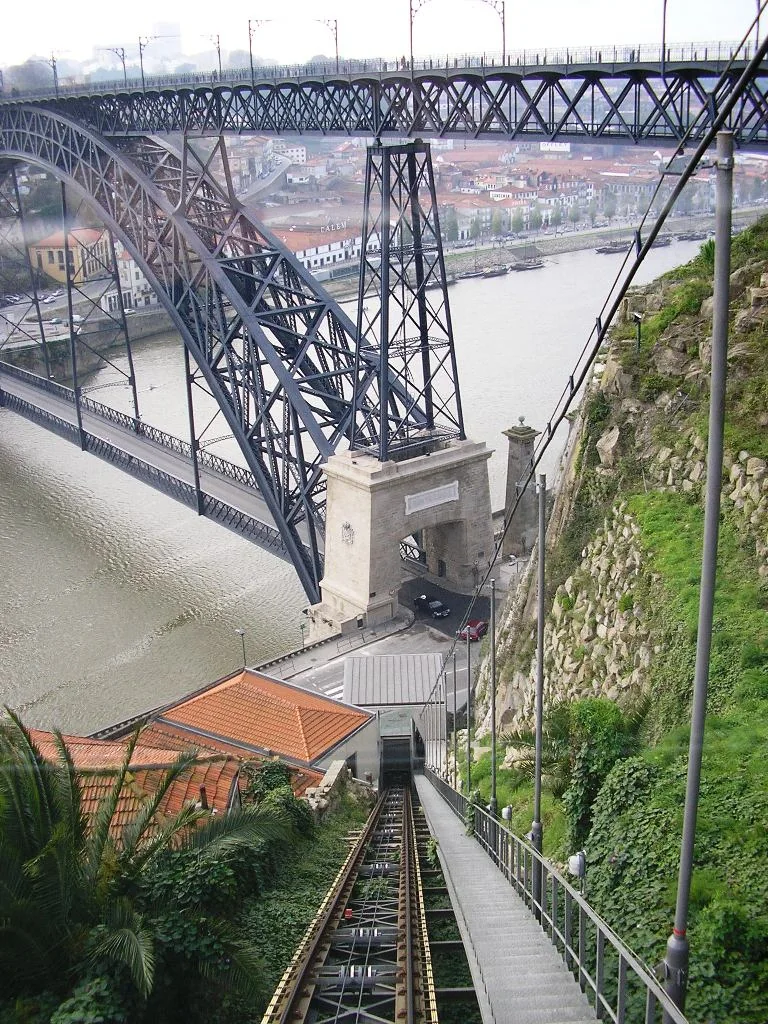
The main challenge is elevation. Ribeira, the cathedral area, Clerigos, and many historic streets sit at different levels, and routes between them can involve steep slopes or stairs. Cobblestones and wet pavement can also be tiring or slippery.
This matters for wheelchair users, slow walkers, travelers with knee or back pain, families with strollers, and anyone arriving with heavy luggage.
Better movement strategy
Plan one-way downhill walks, then use metro, taxi, ride apps, or buses for uphill returns. Stay near a metro stop or flatter area if daily mobility is a concern. Check the exact route from station to accommodation, not only the distance.
For viewpoints, choose fewer and better. Gaia-side viewpoints can be easier to combine with metro or taxi planning, while some historic-centre viewpoints are better treated as optional if the surface or slope is difficult.
For a step-free stay, ask for the route from pavement to bed: entrance steps, lift access and size, bedroom floor, shower threshold and bathroom space. A building lift can coexist with stairs before the lift or inside a duplex. Ask for current photos and measurements for your needs.
More columns → Scroll sideways, or focus the table and use the arrow keys.
| Need | Better tactic | Avoid |
|---|---|---|
| Wheelchair or reduced mobility | Use adapted transport research, metro where suitable, taxis, and flatter routes. | Assuming the historic centre is easy because it is compact. |
| Strollers | Use fewer hills, avoid stair-heavy shortcuts, choose accommodation carefully. | Ribeira-to-upper-centre repeats. |
| Rainy days | Use markets, stations, cafes, museums, taxis, and shorter routes. | Exposed viewpoints and slippery steep descents. |
| Luggage | Taxi or ride app to accommodation if the final walk climbs. | Dragging bags from river-level streets uphill. |